Unit 2. Business Concepts
Introduction
The report is about business concept, the relationship between business objective and structure, how an organisation structure contributes to its objectives, evaluating how an organisation’s structure affects its internal operation and communication Organisational Vision to others.
A business that includes basic information such as the service or product, the target demographic, and a unique selling proposition that gives a company an advantage over competitors. A business concept may involve a new product or simply a novel approach to marketing or delivering an existing product. Once a concept is developed, it is incorporated into a business plan.
The concepts and activities of business have increased in modern times and is the production, distribution, and sale of goods and services for a profit. Simply meant to exchange or trade for things people wanted or needed.
Unit 2.1 The relationship between business objectives and structures.
1.1 Analyse the impact of change on an organisation
Shock
When significant organisational change is first realised it is common for those affected to experience the feelings of shock. It’s not uncommon, to physically see the effects of shock in the faces and body language of those peoples. The reason for the shock is a personal fear of how the change might impact the status. It’s very important for leaders and managers implementing change to be aware that the initial fear of the event is common because it is a natural reaction. A person demonstrating shock from fear should not be considered a problem or rather, it is a reaction that usually disperses in most people.
Denial
After the Shock , it’s common for people to go into denial. It is usually to hear this development more.it is recognise by hearing comments for example; “They’ll never go through with this!” Or, “I can’t believe this is going to happen!” .The reason people experience denial comes from their disbelief or even anger over what they think is about to happen. Whether it’s real or not, disbelief can trigger feelings, and expressions, of denial.
Reject
Experiencing shock and denial, a person can make a conscious or unconscious resolution that the impending change will be bad. The rejection of the change usually comes as a result of the person trying to preserve the status or a zone of comfort. Rejection of change can result in either a “conflicts or fights” reaction from peoples affected. This is why it’s not uncommon for turnover to increase after changes are announced. People can believe that the possibility of comfort elsewhere is more probable than the uncertainty of change where they are.
Tolerate (With Resistance)
The people who choose to stay but have not accepted or embraced the change, typically shift to a mode of tolerance. They may appear to be on board, but in actuality, the tolerance is only masking either overt or covert resistance. It is easier to deal with overt resistance than covert resistance. Overt behaviours are in the open and can be seen and diffused, whereas covert behaviours are difficult to recognise, let alone deal with.
Tolerate
When people who have been subjected to organisational changes, become involved in aspects of the changes, there is a possibility of strategic understanding. Involvement could be membership on a team, being asked for an opinion or suggestion, or participating in some way in the evolving organisation. Without deliberate involvement, many people will take a “wait and see” attitude. The key to move people to ultimate embracing is maximum involvement of as many people as possible.
Embrace
After a person has been involved in the planning or mechanics of the changes and then has developed a strategic understanding, the feelings of dedication can grow. While a few people can indeed gain commitment. Most people will progress through, shock, denial, reject, tolerate (with resistance) and tolerate until they gain a sense of commitment. People in the devotion tend to give advice to others about how the impending changes could be in the organisation best interest. They also volunteer for assignments and are quick to give positive suggestions.
1.2 Assess how an organisation structure contributes to its objectives.
Examine your business’s performance overall and the contribution of each department or work group to your company’s productivity. Perceive if there are functional problems that are not being addressed because of the current organisational structure. Example are, if effective interdepartmental communication is a challenge because the department heads only interact with direct reports, or if operational costs are too high because of redundancies in different markets, this could indicate problems caused by organisational structure.
Locate an independent, objective consultant to conduct an operational audit of your organisational structure. Once several problems are identified with productivity, work flows or development of economies of scale, it will need a professional analysis that will not have the prejudice of a business owner or leader. The result will be an objective listing of all the problems that are a result of your organisational structure and where those problems exist.
Determine if altering an organisational structure, the organisation will correct the problems that have been uncovered. If using a functional structure, the company has to expand into three diverse and geographically separate markets, it might find significant benefit in implementing a divisional strategy.
Analyse the situation. there might be some of the disadvantages of a particular structure type but not need to employ a different type. The organisation will need to determine if the problems that have defined can be resolved with updated software, improved processes, or changes to the corporate culture rather than drastically changing the organisational structure.
Implement corrective measures or changes to organisational structure gradually. Monitor both the progress of the implementation and the changes in productivity and work flow. As progressing through implementation, the company should see marked improvements in the areas that led to conduct the assessment.
1.3 Evaluate how an organisation’s structure affects its internal operation.
Functional Organisational Structure. These structure are organised into functional divisions based on primary functions such as engineering, human resources, finance, IT, planning and policy. Each different functional division operates independently and isolated groups of workers in a division report to a functional manager. The functional manager generally both allocates and monitors the work and carries out tasks such as performance evaluation and setting payment levels. In this model project managers have very limited authority. Functional organisations are set up for ongoing operations rather than projects and so this organisational structure is often found in firms whose primary purpose is to produce standardised goods and services.
Matrix Organisational Structure. In a matrix organisation control is shared. The project manager shares responsibility for the project with a number of individual functional managers. Shared responsibilities can include assigning priorities and tasks to individual team members. But functional managers still make the final decisions on who will work on projects and are still responsible for administration. Project managers take charge of allocating and organising the work for the designated project team. In this type of structure there is a balance between ongoing operations and projects, so it is a common structure for organisations that have these dual roles.
Projected Organisational Structure. In a projected organisation the project manager has full authority over the project. This includes the authority to set priorities, apply resources, and to direct the work of team members assigned to the project. All members of the project team report directly to the project manager and everybody is assigned to a project. After completion of the project, resources will be re-assigned to another project. This type of structure is common in firm that work on sizeable, long-term projects, such as in the construction industry.
1.4 Explain how organisations demonstrate social responsibility.
Encourage Recycling
Recycling is easy and very achievable for the average workplace. According to the Inc. magazine, 80 to 90 percent of materials used in today’s workplace can be recycled. This can be done by creating lists of recyclable items and offering employees and visitors easy access to recycling bins. If the small business sells a product, the use of reusable shopping totes could be encouraged. If the business supplies a service, the business should use recycled items.
Sponsor a Fundraiser
Many community organisations hold fundraisers, from school sports teams to local charities. Often these organisations require products to sell, a location to hold the fundraising event, or both. Small businesses could provide organisations with products for free, or the business could allow the use of their location. For instance, a community group could use the small business’ parking lot for a car wash or a bake sale.
Offer an Academic Scholarship
The price of higher education has been increasing at a staggering rate for decades. Even a small amount of financial help can benefit a prospective college student. Small businesses could hold a scholarship competition for exceptional high school seniors. The business should be sure to require a detailed application, including a writing sample, so a fair decision can be made on the applicants. Give definite deadlines and promote the event heavily at local high schools.
Get Involved in Community Service
In order to show social responsibility, small businesses can become actively involved in community service activities. The business could provide bottles of water to volunteers working outdoors. Companies could also offer incentives to employees who participate in a certain amount of community service or even require a set amount of hours to be completed by employees. Entrepreneur magazine advises small businesses to become involved with causes that align with the nature of the company. For instance, if you sell groceries, you could sponsor a community garden from which you donate the harvests to local food ministries.
Promote Responsible Behaviour
Small businesses can aid in the prevention of dangerous activities by supporting groups that advocate for safe behaviours. Making donations to these groups is also a way of showing your company is interested in making a difference in the community. The National Federation of Independent Business suggests the company owner or manager sit on the board of a nonprofit agency.
1.5 Analyse the relationship between an organisation’s business strategy and a department’s operation.
Organisational Strategy
Organisational strategy involves a plan for how to take your organisation from here to there. The destination may involve growth, diversification, greater attention to customer service, faster turn-around times for product delivery or lower labour costs. Finding the appropriate path to the goal is the heart of organisational strategy. For example, if there is to need to lower labour costs, it might determine that restructuring of existing staff to avoid duplicate functions and changing employee roles is the best strategy for the organisation. If the goal is to give the best customer service, the organisation may decide to beef up the call centre or customer service department, which means opening more positions. This constitutes an organisational change.
Organisational Design
Organisational design is the detailed articulation of organisational strategy. Design translates the goals and desires of business leaders into actual, tangible plans. In a case where downsizing is the strategy, organisational design involves figuring out which positions or departments to trim. When introducing a new line of business, organisational design means figuring out who is responsible for the new business, how many positions should be opened and where in the reporting structure the new line belongs. Normally, businesses draft these changes into a formal organisational chart so that everyone involved can clearly understand the changes and how the business should operate.
Feasibility
Architect Frank Lloyd Wright is famous for his design concepts in which he followed his principle, “Form follows function.” This is essentially the same relationship between organisational design and organisational strategy. Design does strategy’s bidding. However, when constructing a building, sometimes architects, land surveyors and contractors discover unforeseen obstacles that require a revision of a building’s design. The same is true with organisations. For example, if restructuring or reducing a key department or position endangers a business’s ability to deliver an important service, then leaders have to reconsider their design. Similarly, some positions and departments may not be efficient or profitable, but may exist for regulatory compliance purposes.
Inventory
In order for organisational changes to become truly effective, strategists and designers need valid, complete information. Business leaders should take a thorough inventory of all of the positions, departments, processes, tasks and functions currently in play before figuring out the best course of action. It may turn out that a business isn’t growing or achieving because of inefficiencies or kinks in the current organisational structure; therefore, a restructuring strategy is the most cost-efficient method. Leaders may also learn where they are seriously over- or under-resourced. A business trying to grow may discover that the primary limit is lack of labour in a critical area and that business growth doesn’t require a major restructuring, but simply the addition of some positions within an otherwise sound organisational structure.
Consultants
Matters of strategy and design can be somewhat complex. They affect operations, business culture, finance, and the human reactions and feelings of the people within an organisation. This is why many companies turn to organisational and business strategy consultants to help them facilitate and manage the strategy and design processes. While many people think of large corporations as turning to consultants for this type of work, smaller companies at critical growth junctures often need the help as much or more. Determining what a company needs to grow is a complicated business and success can hinge on how well a business’s course is plotted.
1.6 Determinate the departmental key performance indicators (KPIs) from a business plan.
Financial Metrics
Profit: This goes without saying, but it is still important to note, as this is one of the most important performance indicators out there. Don’t forget to analyse both gross and net profit margin to better understand how successful your organisation is at generating a high return.
Cost: Measure cost effectiveness and find the best ways to reduce and manage your costs.
LOB Revenue Vs. Target: This is a comparison between your actual revenue and your projected revenue. Charting and analysing the discrepancies between these two numbers will help you identify how your department is performing.
Cost Of Goods Sold: By tallying all production costs for the product your company is selling, you can get a better idea of both what your product mark-up should look like and your actual profit margin. This information is key in determining how to outsell your competition.
Day Sales Outstanding : Take your accounts receivable and divide them by the number of total credit sales. Take that number and multiply it by the number of days in the time frame you are examining.
Sales By Region: Through analysing which regions are meeting sales objectives, you can provide better feedback for under-performing regions.
1.7 Communication Organisational Vision to others.
Place a high value on two-way communication. Get in the habit of actively seeking employees’ thoughts and opinions, especially prior to making decisions that impact their work. You’ll experience fewer surprises along with greater employee engagement and productivity if you consistently encourage your employees to think and provide their input to help you and your team make the best decisions possible.
Make sure the vision is more than a framed document hanging on the wall. Employees are more apt to act off what they see in the hall versus what they read on the wall. It’s not good enough for senior leaders to develop a powerful vision. They need to make sure that the vision is clearly communicated to every employee, along with the goals that will help bring the vision to life. When people are clear on their destination, and are given a map to get to the destination, as well as a tour guide communicating along the way, they will not only support the expedition, but usually will really enjoy the trip.
Over-communicate during periods of rapid change. Often, we communicate the vision and goals, then shortly after, change goals. Keeping pace in this interconnected, global market place requires change after change. Most employees understand that to be successful, plans need to change, often frequently. What they don’t like is being blindsided because they did not know that the plan had changed. Make it a high priority to provide timely updates when plans change.
Conclusion
A business plan is not just a lengthy document that helps you get a loan or secure backers, even though that might be the reason you’re putting it together. A business plan is a thorough examination of whether your business idea is viable. To benefit in a business, one must know that depending on logic alone cannot achieve their goal. Instead, participating or sponsoring an events and work with the community can leads to primary goal. The decision made within the company must be approve by all employees and employers to prevent any disagreement or protest.
Resources
https://cmoe.com/blog/the-effects-of-organizational-change/ (access on 10/01/2019)
https://smallbusiness.chron.com/assess-organizational-structure-2775.html (access on 10/01/2019)
https://edwardlowe.org/evaluating-your-organizational-structure/(access on 10/01/2019)
https://continuingprofessionaldevelopment.org/how-do-organizational-structures-affect-projects/ (access on 10/01/2019)
https://yourbusiness.azcentral.com/ways-small-business-show-social-responsibility-2392.html(accesson 14/01/19)
https://smallbusiness.chron.com/3-ways-exhibit-social-responsibility-50618.html(access on 14/01/19)
https://peterstark.com/communicating-organisational-vision-employees/(access on 16/01/19)
2.3 How to lead a team.
How to lead a team:
No matter whether you’re at the top, in the middle, or supervising people on the front lines, as a leader you first need to make sure that everybody is clear on goals. The first secret of The One Minute Manager is One Minute Goal Setting. All good performance starts with clear goals, which is the vision and direction part of leadership. The next thing you need to do is to help people accomplish those goals.
After people are clear on what they are being asked to do, you need to wander around and see if you can catch them doing something right. Accent the positive and praise them. If someone does something wrong, but is a learner, don’t punish the person.
However, if you are dealing with an experienced person who for some reason has a lousy attitude, make clear what the person did wrong: “You didn’t get your report in on Friday, and I really needed it. Let me tell you how I feel – I’m really upset about it.” Be sure, though, that you always end with a reaffirmation: “The reason I’m upset is that you’re one of my best people and I always count on you for that.”
3.1 The difference between management, leadership and supervision:
Supervision – Activity carried out by supervisors to oversee the productivity and progress of employees who report directly to them. Supervisors must provide appropriate information, including incentives and consequences, to help staff succeed. This requires an understanding of the motivations of the members of your team. Monitoring and regulating of processes, or delegated activities, responsibilities, or tasks. Supervisors are usually authorized to recommend and/or effect hiring, disciplining, promoting, punishing, rewarding, and other associated activities regarding the employees in their departments.
Management – A manager is the member of an organization with the responsibility of carrying out the four important functions of management: planning, organizing, leading, and controlling. A manager’s chief focus is to meet organizational goals and objectives; Managers are held responsible for their actions, as well as for the actions of their subordinates. With the title comes the authority and the privilege to promote, hire, fire, discipline, or reward employees based on their performance and behavior.
Leadership – include communication, motivation, providing inspiration and guidance, and encouraging employees to rise to a higher level of productivity. Unlike managers, leaders are followed because of their personality, behavior, and beliefs. A leader personally invests in tasks and projects and demonstrates a high level of passion for work. Leaders take a great deal of interest in the success of their followers, enabling them to reach their goals to satisfaction.
The difference: Most people think it’s about where you are in the hierarchy—if you’re at the top, you’re a leader; if you’re in the middle, you’re a manager; and if you are closest to the people who are actually dealing with the customers, you’re in supervision. Employees follow orders from their managers because they are obligated to do so—not necessarily because they are influenced or inspired by the leader. Leadership works on inspiration and trust among employees. A leader invents or innovates while a manager organises. A manager relies on control whereas a leader inspires trust.
Difference – Leadership, Supervision, Management
3.2 Responsibility and accountability.
Accountability – Taking personal responsibility for your actions, being accessible and present in your interactions, and being approachable to your colleagues and clients.
Responsibility – Each person serves as the face of their team or organisation, and their individual actions support or undermine the values of the organisation. Responsibility means demonstrating courage and making the choice to do what is right.
The difference:
- We can only choose to take responsibility for something. No one else can assign responsibility to us.
- Accountability means we are liable or answerable for our actions to someone or some authority.
- We can not make someone responsible for something; we can only hold them accountable.
3.3 Relationship between manager and employee.
Employees become managers. Therefore, managers must remember that they were once employees. Each employee starts, as a junior then senior, employee after theses phases promoted to supervisor or team leader and finally promoted to be a manager.
Managers and employees are main factors for any economy, that is why the relationship between them is important. Employee is the direct link between the businesses organisations and their customers. Employees are core source of the Economy. For their managers, employees should need to be good in communication,
commitment, contribution, and competency. Loyalty between employees and managers can improve company productivity and maintain employee retention. The staff comes to rely on management for accurate information regarding important topics such as pay, delegation of job duties and promotions. Accurate and timely information helps to develop credibility for the managers in the eyes of the employees. Misinformation destroys that credibility, and the bond of trust can be broken. When employees no longer trust management, it can create a situation of elevated employee turnover.Manager-EmployeeTrust Loyalty Manager Employee
3.4 Leadership styles affect team members.Different Leadership styles affect the performance of the team productivity in different way:Autocratic – Autocratic leaders are classic “do as I say” types. These leaders include a large amount of feedback on their employees’ performance. Autocratic leaders can damage an organisation irreparably as they force their ‘followers’ to execute strategies and services in a very narrow way based upon a subjective idea of what success looks like. In fact, most followers of autocratic leaders can be described as biding their time waiting for the inevitable failure this leadership produces and the removal of the leader that follows. Autocratic leaders tend to use strict policies, procedures, and guidelines for their employees. This particularly authoritarian approach may be effective with employees who prefer guidance and supervision, but creative individuals and those that seek autonomy are more likely to become disengaged under an autocratic leader. It is the leadership style that is most often associated with the military.Bureaucratic – Bureaucratic leaders are most comfortable relying on a stated policy in order to convince followers to get on board. In doing so they send a very direct message that policy dictates direction. Bureaucratic leaders are usually strongly committed to procedures and processes instead of people. This results in de-motivating the employees and frustrate desired outcomes. The central problem here is similar to the one associated with autocratic leaders. Both styles fail to motivate and have little impact on people development.
Democratic – A leader who favors a democratic style involves employees in the decision-making process. A democratic leader tends to delegate authority more willingly while still maintaining the ultimate responsibility. Instead of one defined leader, the group leads itself. The biggest problem with democratic leadership is its underlying assumptions that everyone has an equal stake in an outcome as well as shared levels of expertise with regard to decisions. Workable results usually require an enormous amount of effort.
Charismatic – By far the most successful trait-driven leadership style is charismatic. Charismatic leaders have a vision, as well as a personality that motivates followers to execute that vision. As a result, this leadership type has traditionally been one of the most valued. With charismatic leaders at the helm, the organisation’s members simply want to follow. There is one significant problem that potentially undercuts the value of charismatic leaders: they can leave. Once gone, an organisation can appear rudderless and without direction. The floundering can last for years, because charismatic leaders rarely develop replacements. Their leadership is based upon strength of personality. As a result, charismatic leadership usually eliminates other competing, strong personalities. The result is a legion of happy followers, but few future leaders.
Situational – Situational leadership theory suggests that the best leaders constantly adapt by adopting different styles for different situations or outcomes. Tend to change different styles of leadership. Usually they are experienced leaders. Problems arise, however, when the wrong style is applied in certain situation. Situational leadership, however, is most effective when leaders choose more effective styles like charismatic, transactional, and transformational.
Transactional – Under a transactional leader, team members have specific tasks and goals to achieve and are rewarded when those objectives are met. It’s a leadership style that is entirely focused on performance results. Transactional leadership style include frequent feedback, clear expectations, and opportunities for corrections. Transactional leaders are always willing to give you something in return for following them. It can be any number of things including a good performance review, a raise, a promotion, new responsibilities or a desired change in duties. This form of leadership can achieve very good employee engagement with those who are motivated by receiving rewards like bonuses. The problem with transactional leaders is expectations.
Transformational – Transformational leaders use knowledge, expertise and vision to change those around them in a way that makes them followers. It remains even when the leader that created it is no longer on the scene. Transformational leaders represent the most valuable form of leadership since followers are given the chance to change, transform and, in the process, develop themselves as contributors. Organisationally this achieves the best leadership outcome since transformational leaders develop people.
Leadership stylesLeadership styles 2
2.4 How finance affects a business operation.
4.3 Forecast departmental income and expenditure. A financial forecast identifies trends in external and internal historical data, and projects those trends in order to provide decision-makers with information about what the financial status of the company is likely to be at some point in the future.
Involve evaluating the previous twelve months’ performance on an ongoing basis, and forecasting the next three months’ performance.Typically, it is a projection based upon specific assumptions, such as targeted prospects or a defined sales strategy. For example, a sales pro forma in a business plan is considered a forecast.
As the forecasting and budgeting affects all aspects of the business, you want to keep an open line of communication with all departments throughout the entire process to help minimize issues and to ensure alignment between your company’s operational and organizational strategies.
Forecasting is a shorter-term activity, usually performed at regular intervals e.g. quarterly and limited to updating our view of the current year. It takes into account actual income or levels of expenditure and projects these forward to the end of the financial year.
It provides useful information about expected current year out-turn so that corrective actions may be taken where appropriate.
In addition, because forecasts are updated regularly, they often provide a more accurate guide to expenditure levels etc than a budget set before the financial year began. In turn, this may mean that a revised current year forecast is more appropriate than the original budget as a basis for future expenditure etc when setting the following year’s budget.
Income and expenditure budgets show how much an organisation expects to receive and to spend in future periods.Forecasting the income and expenditure is basically comparing the situation at the present time in the company with the situation from the same time period from the previous year, so it could be predicted approximately how much gonna be the income and the expenditure in the future. Forecasting gives an important information, which usually aims to better the previous results. It is good for planning and organizing the work in the future, in order to get better results.ForecastingForecasting definition4.4 Departmental performance against a budget.The best possible way to invest in the budget in order to get the best possible results out of all departments.Performance-based budgeting aims to improve the efficiency and effectiveness of public
expenditure by linking the funding of public sector organizations to the results they
deliver, making systematic use of performance information.The most basic form of performance-based budgeting is that which aims to ensure that,
when formulating the budget, key decision makers systematically take into account the results to be achieved by expenditure.A program of expenditure in the budget is also highly recommended. By
classifying expenditure into groups of similar services with similar objectives, a program budget helps budget decision makers compare the costs and benefits of expenditure options.Improve expenditure prioritization (the capacity to allocate limited resources to where they will do the most good).An important part of staying on budget is to make sure all team members are aware of the current budget status as well. Keep the project team informed of the project budget forecast.The performance-based budgeting takes into account, if the outcomes or results from the projects are worth the money which are invest in them.Project managementPerformance based budgeting4.5 Recommending budget for a project.The unfortunate truth about IT projects: They have a tendency to run over budget. As technology projects grow and connect with more parts of an organization, there’s more at risk when costs run amok. Studies say that up to half of IT projects break their budgets, which can threaten the very existence of the project and even the company. So getting your budget right from the get-go is crucial.When you come into a project, there is already an expectation of how much it will cost or how much time it will take. When you make an estimate early in the project without knowing much about it, that estimate is called a rough order-of-magnitude estimateWhen you finish laying out a budget, you should feel like you’ve walked through the entire project. Plan for the worst, identify where changes are likely to originate and watch those areas closely.For your first budget, get help from an experienced team member or mentor. Learn from other projects. Find a past project that was similar in type or scope to the current one, and use it a model. Some teams turn to their project management tool to mine data and information on how much time and money went into certain projects.Know your core/resources costs. Start by entering costs—the absolute must-haves to get the project up and running. Determining resource costs means figuring out what the rate for labor and materials will be.They include team members, equipment, software, travel, etc. If your costs fit under the total cost figure, you fit under the cap. If not, you need to have that first conversation with your boss or stakeholders about how to scale the project to be completed within the budget—or about expanding the budget.Monitor resources. You want your team members working on the right tasks to their full potential. Salaries are a big component of the budget, so review resource usage weekly to make sure that everyone is working the highest priorities and putting the proper amount of hours per week into their tasks.Be transparent. Keep your team informed of the evolving budget forecast. Communicate what’s expected of them to stay within budget.And finally, using the right project management softwareis one of the best way to know exactly where your project stands; to track how much time and money has been spent, and to forecast the cost and timeline for the entire project.
Reserve analysis: You need to set aside some money for cost overruns. If you know that your project has a risk of something expensive happening, it is better to have some cash available to deal with it. Reserve analysis means putting some cash away in case of overruns.
Once you have broken your project down into activities, you will be able to calculate your overall project costs by estimating and totaling the individual activity costs.
Understand the brief and the requirements of the project, before you start with the budget planning.
When recommending a budget for a project it has to be taken into account the direct (labor, materials, travel etc.) and indirect costs (office costs, equipment, administrative costs, hiring outside the company etc.)When a budget for a project is recommended, everything about the project must be discussed with the client, on first place and it has to be explained what the project budget involves, before the start of the project.Project budget tipsManaging budget for projectsBudget planning steps
2.3 How to lead a team.
How to lead a team:
INTRODUCTION:
Leading a team starts with setting up goals first, then helping the people to reach these goes in order for the company/organisation to improve and get better results from the working process.
No matter whether you’re at the top, in the middle, or supervising people on the front lines, as a leader you first need to make sure that everybody is clear on goals. The first secret of The One Minute Manager is One Minute Goal Setting. All good performance starts with clear goals, which is the vision and direction part of leadership. The next thing you need to do is to help people accomplish those goals.
After people are clear on what they are being asked to do, you need to wander around and see if you can catch them doing something right. Accent the positive and praise them. If someone does something wrong, but is a learner, don’t punish the person.
3.1 The difference between management, leadership and supervision:
Supervision – Activity carried out by supervisors to oversee the productivity and progress of employees who report directly to them. Supervisors must provide appropriate information, including incentives and consequences, to help staff succeed. This requires an understanding of the motivations of the members of your team. Monitoring and regulating of processes, or delegated activities, responsibilities, or tasks. Supervisors are usually authorized to recommend and/or effect hiring, disciplining, promoting, punishing, rewarding, and other associated activities regarding the employees in their departments.
Management – A manager is the member of an organization with the responsibility of carrying out the four important functions of management: planning, organizing, leading, and controlling. A manager’s chief focus is to meet organizational goals and objectives; Managers are held responsible for their actions, as well as for the actions of their subordinates. With the title comes the authority and the privilege to promote, hire, fire, discipline, or reward employees based on their performance and behavior.
Leadership – include communication, motivation, providing inspiration and guidance, and encouraging employees to rise to a higher level of productivity. Unlike managers, leaders are followed because of their personality, behavior, and beliefs. A leader personally invests in tasks and projects and demonstrates a high level of passion for work. Leaders take a great deal of interest in the success of their followers, enabling them to reach their goals to satisfaction.
The difference: Most people think it’s about where you are in the hierarchy—if you’re at the top, you’re a leader; if you’re in the middle, you’re a manager; and if you are closest to the people who are actually dealing with the customers, you’re in supervision. Employees follow orders from their managers because they are obligated to do so—not necessarily because they are influenced or inspired by the leader. Leadership works on inspiration and trust among employees. A leader invents or innovates while a manager organizes. A manager relies on control whereas a leader inspires trust.
3.2 Responsibility and accountability.
Accountability – Taking personal responsibility for your actions, being accessible and present in your interactions, and being approachable to your colleagues and clients.
Responsibility – Each person serves as the face of their team or organization, and their individual actions support or undermine the values of the organization. Responsibility means demonstrating courage and making the choice to do what is right.
The difference:
- We can only choose to take responsibility for something. No one else can assign responsibility to us.
- Accountability means we are liable or answerable for our actions to someone or some authority.
- We can not make someone responsible for something; we can only hold them accountable.
3.3 Relationship between manager and employee.
Employees become managers. Therefore, managers must remember that they were once employees. Each employee starts, as a junior then senior, employee after theses phases promoted to supervisor or team leader and finally promoted to be a manager.
Managers and employees are main factors for any economy, that is why the relationship between them is important. Employee is the direct link between the businesses organizations and their customers. Employees are core source of the Economy. For their managers, employees should need to be good in communication,
commitment, contribution, and competency. Loyalty between employees and managers can improve company productivity and maintain employee retention. The staff comes to rely on management for accurate information regarding important topics such as pay, delegation of job duties and promotions. Accurate and timely information helps to develop credibility for the managers in the eyes of the employees. Misinformation destroys that credibility, and the bond of trust can be broken. When employees no longer trust management, it can create a situation of elevated employee turnover.However, if you are dealing with an experienced person who for some reason has a lousy attitude, make clear what the person did wrong: “You didn’t get your report in on Friday, and I really needed it. Let me tell you how I feel – I’m really upset about it.” Be sure, though, that you always end with a reaffirmation: “The reason I’m upset is that you’re one of my best people and I always count on you for that.” Managers shouldn’t forget where they come from, since in order to become a manager usually they need to be an employee firstly, then they become a supervisor and of course if they posses the required skills and are good enough they can become managers. However, they should know that to have a good team requires to have satisfied team members, so they should be able to provide the team members with relevant information and knowledge, they also should try to meet their expectations, if they are reasonable and trying to keep positive atmosphere inside the team, so the working process should run smoothly and improving towards better results for the company.
3.4 Leadership styles affect team members.Different Leadership styles affect the performance of the team productivity in different way:Autocratic – Autocratic leaders are classic “do as I say” types. These leaders include a large amount of feedback on their employees’ performance. Autocratic leaders can damage an organization irreparably as they force their ‘followers’ to execute strategies and services in a very narrow way based upon a subjective idea of what success looks like. In fact, most followers of autocratic leaders can be described as biding their time waiting for the inevitable failure this leadership produces and the removal of the leader that follows. Autocratic leaders tend to use strict policies, procedures, and guidelines for their employees. This particularly authoritarian approach may be effective with employees who prefer guidance and supervision, but creative individuals and those that seek autonomy are more likely to become disengaged under an autocratic leader. It is the leadership style that is most often associated with the military.
Bureaucratic – Bureaucratic leaders are most comfortable relying on a stated policy in order to convince followers to get on board. In doing so they send a very direct message that policy dictates direction. Bureaucratic leaders are usually strongly committed to procedures and processes instead of people. This results in de-motivating the employees and frustrate desired outcomes. The central problem here is similar to the one associated with autocratic leaders. Both styles fail to motivate and have little impact on people development.
Democratic – A leader who favors a democratic style involves employees in the decision-making process. A democratic leader tends to delegate authority more willingly while still maintaining the ultimate responsibility. Instead of one defined leader, the group leads itself. The biggest problem with democratic leadership is its underlying assumptions that everyone has an equal stake in an outcome as well as shared levels of expertise with regard to decisions. Workable results usually require an enormous amount of effort.
Charismatic – By far the most successful trait-driven leadership style is charismatic. Charismatic leaders have a vision, as well as a personality that motivates followers to execute that vision. As a result, this leadership type has traditionally been one of the most valued. With charismatic leaders at the helm, the organization’s members simply want to follow. There is one significant problem that potentially undercuts the value of charismatic leaders: they can leave. Once gone, an organization can appear rudderless and without direction. The floundering can last for years, because charismatic leaders rarely develop replacements. Their leadership is based upon strength of personality. As a result, charismatic leadership usually eliminates other competing, strong personalities. The result is a legion of happy followers, but few future leaders.
Situational – Situational leadership theory suggests that the best leaders constantly adapt by adopting different styles for different situations or outcomes. Tend to change different styles of leadership. Usually they are experienced leaders. Problems arise, however, when the wrong style is applied in certain situation. Situational leadership, however, is most effective when leaders choose more effective styles like charismatic, transactional, and transformational.
Transactional – Under a transactional leader, team members have specific tasks and goals to achieve and are rewarded when those objectives are met. It’s a leadership style that is entirely focused on performance results. Transactional leadership style include frequent feedback, clear expectations, and opportunities for corrections. Transactional leaders are always willing to give you something in return for following them. It can be any number of things including a good performance review, a raise, a promotion, new responsibilities or a desired change in duties. This form of leadership can achieve very good employee engagement with those who are motivated by receiving rewards like bonuses. The problem with transactional leaders is expectations.
Transformational – Transformational leaders use knowledge, expertise and vision to change those around them in a way that makes them followers. It remains even when the leader that created it is no longer on the scene. Transformational leaders represent the most valuable form of leadership since followers are given the chance to change, transform and, in the process, develop themselves as contributors. Organizationally this achieves the best leadership outcome since transformational leaders develop people.
4.2 Explain how budgets are developed.
Budgeting and business planning
In order to manage budgets effectively and efficiently, it is necessary to:
- Monitor, control, and record all the finances (income and expenditure),
- Know how to minimise costs in the areas that you are responsible for,
- Be able to investigate or identify problematic areas and rectify them, and
- Efficiently manage and authorise expenditures.
This article is based on the NVQ Level 4 unit, “Manage Budgets” and has a credit value of 5. In order to get a clear idea and understanding of the purpose of budgets, which is the first part to this article, please read the article linked below. You will get an understanding of the purpose of budgets, including the benefits of managing financial resources effectively and efficiently, the legal, regulatory and organisational requirements for managing a budget, and the different types of budgetary systems and their features.
- Manage and Understand the Purpose of Budgets
Managing budget is an ongoing process for any organisation or business and it requires continuous monitoring, controlling and reporting, which is the budget manager’s responsibility.
Now need a thorough understanding of how to manage budgets.
The budgetary process is the sole responsibility of senior management staff and finance staff. Hence these members of staff must have accurate and updated information efficient budgeting procedures. Budgets are developed for each financial year. The managers and staff involved will have to develop budgets for their own areas of responsibility and then hand it over to the finance department. These draft budgets are then reviewed by higher management and later approved by a committee, or something similar depending on the organisation.
Managing budgets requires you to constantly monitor, control, and record income and expenditures to keep track of every financial movement and its outcome. How will you achieve this? Let us look at a few ways or methods.
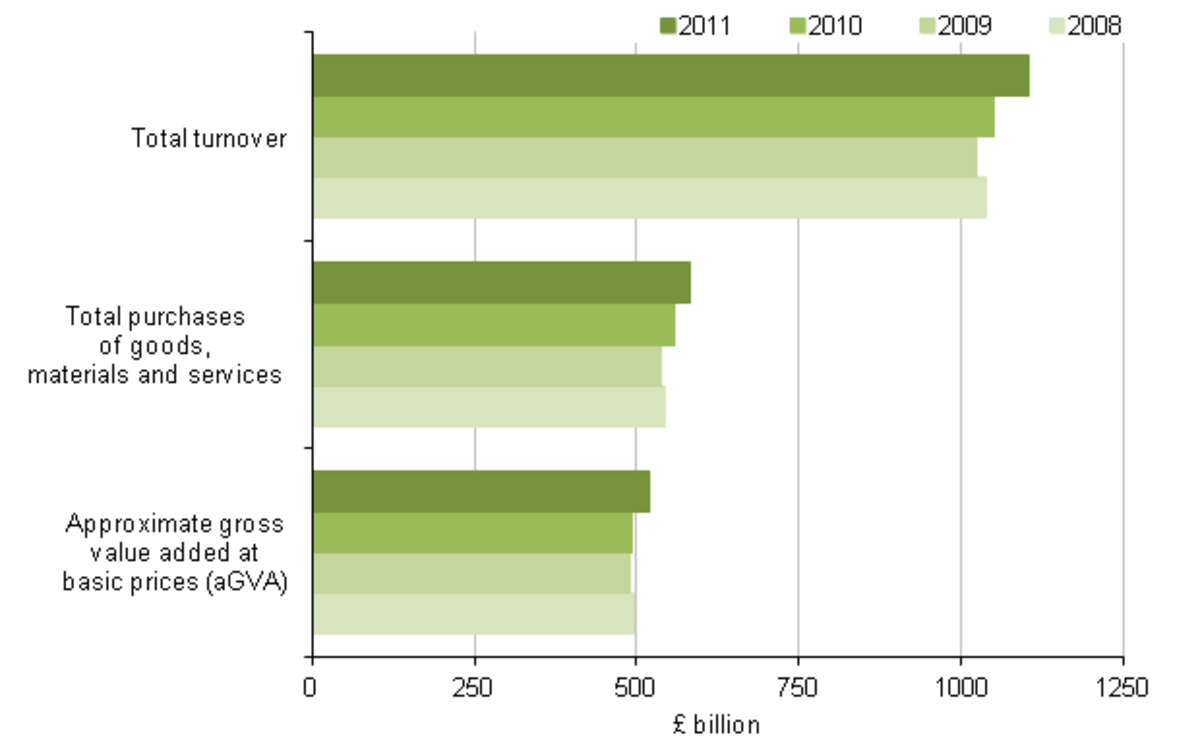
4.3 Forecast departmental income and expenditure.
A financial forecast identifies trends in external and internal historical data, and projects those trends in order to provide decision-makers with information about what the financial status of the company is likely to be at some point in the future.
Involve evaluating the previous twelve months’ performance on an ongoing basis, and forecasting the next three months’ performance.Typically, it is a projection based upon specific assumptions, such as targeted prospects or a defined sales strategy. For example, a sales pro forma in a business plan is considered a forecast.
As the forecasting and budgeting affects all aspects of the business, you want to keep an open line of communication with all departments throughout the entire process to help minimize issues and to ensure alignment between your company’s operational and organizational strategies.
Forecasting is a shorter-term activity, usually performed at regular intervals e.g. quarterly and limited to updating our view of the current year. It takes into account actual income or levels of expenditure and projects these forward to the end of the financial year.
It provides useful information about expected current year out-turn so that corrective actions may be taken where appropriate.
In addition, because forecasts are updated regularly, they often provide a more accurate guide to expenditure levels etc than a budget set before the financial year began. In turn, this may mean that a revised current year forecast is more appropriate than the original budget as a basis for future expenditure etc when setting the following year’s budget.
Income and expenditure budgets show how much an organisation expects to receive and to spend in future periods.Forecasting the income and expenditure is basically comparing the situation at the present time in the company with the situation from the same time period from the previous year, so it could be predicted approximately how much gonna be the income and the expenditure in the future. Forecasting gives an important information, which usually aims to better the previous results. It is good for planning and organizing the work in the future, in order to get better results.
4.4 Departmental performance against a budget.The best possible way to invest in the budget in order to get the best possible results out of all departments.Performance-based budgeting aims to improve the efficiency and effectiveness of public
expenditure by linking the funding of public sector organizations to the results they
deliver, making systematic use of performance information.The most basic form of performance-based budgeting is that which aims to ensure that,
when formulating the budget, key decision makers systematically take into account the results to be achieved by expenditure.A program of expenditure in the budget is also highly recommended. By
classifying expenditure into groups of similar services with similar objectives, a program budget helps budget decision makers compare the costs and benefits of expenditure options.Improve expenditure prioritization (the capacity to allocate limited resources to where they will do the most good).An important part of staying on budget is to make sure all team members are aware of the current budget status as well. Keep the project team informed of the project budget forecast.The performance-based budgeting takes into account, if the outcomes or results from the projects are worth the money which are invest in them.
4.5 Recommending budget for a project.The unfortunate truth about IT projects: They have a tendency to run over budget. As technology projects grow and connect with more parts of an organization, there’s more at risk when costs run amok. Studies say that up to half of IT projects break their budgets, which can threaten the very existence of the project and even the company. So getting your budget right from the get-go is crucial.When you come into a project, there is already an expectation of how much it will cost or how much time it will take. When you make an estimate early in the project without knowing much about it, that estimate is called a rough order-of-magnitude estimateWhen you finish laying out a budget, you should feel like you’ve walked through the entire project. Plan for the worst, identify where changes are likely to originate and watch those areas closely.For your first budget, get help from an experienced team member or mentor. Learn from other projects. Find a past project that was similar in type or scope to the current one, and use it a model. Some teams turn to their project management tool to mine data and information on how much time and money went into certain projects.Know your core/resources costs. Start by entering costs—the absolute must-haves to get the project up and running. Determining resource costs means figuring out what the rate for labor and materials will be.They include team members, equipment, software, travel, etc. If your costs fit under the total cost figure, you fit under the cap. If not, you need to have that first conversation with your boss or stakeholders about how to scale the project to be completed within the budget—or about expanding the budget.Monitor resources. You want your team members working on the right tasks to their full potential. Salaries are a big component of the budget, so review resource usage weekly to make sure that everyone is working the highest priorities and putting the proper amount of hours per week into their tasks.Be transparent. Keep your team informed of the evolving budget forecast. Communicate what’s expected of them to stay within budget.And finally, using the right project management software is one of the best way to know exactly where your project stands; to track how much time and money has been spent, and to forecast the cost and timeline for the entire project.
Reserve analysis: You need to set aside some money for cost overruns. If you know that your project has a risk of something expensive happening, it is better to have some cash available to deal with it. Reserve analysis means putting some cash away in case of overruns.
Once you have broken your project down into activities, you will be able to calculate your overall project costs by estimating and totaling the individual activity costs.
Understand the brief and the requirements of the project, before you start with the budget planning.
When recommending a budget for a project it has to be taken into account the direct (labor, materials, travel etc.) and indirect costs (office costs, equipment, administrative costs, hiring outside the company etc.)When a budget for a project is recommended, everything about the project must be discussed with the client, on first place and it has to be explained what the project budget involves, before the start of the project.CONCLUSION:Leading a team is one of the important aspects for a business to progress and improve. It takes commitment, communication, contribution, understanding, knowledge and development.The ability to manage your finance/budget requires to have a deeper and detailed understanding of your business goals. Understand the brief and the requirements of the project, before you start with the budget planning. This post includes topics ‘How to lead a team’ and ‘How finance affects business operations’
A budget is a great tool not only for managing your money but for helping you sleep soundly at night. With a well-constructed and well-maintained budget, you’ll always know where your money is going, whether you’re on track to meet your financial goals and that you’ve planned to weather the storms that will arise from time to time.
If your spending is too high for your income, a budget serves as a pesky but necessary reminder that you need to change things – and the sooner you listen to those irksome numbers, the better off you’ll be. Living paycheck to paycheck only works temporarily; sooner or later you will have an expense you can’t meet or a goal you can’t achieve if you don’t learn how to budget.
References:
https://conversational-leadership.net/responsibility-accountability/ – accessed on 28.01.2019
https://richtopia.com/effective-leadership/distinction-leadership-supervision – accessed on 28.01.2019
http://ijbssnet.com/journals/Vol_6_No_8_August_2015/14.pdf– accessed on 28.01.2019
https://smallbusiness.chron.com/role-trust-employeemanager-relationship-11614.html – accessed on 28.01.2019
https://blog.bestcompaniesgroup.com/blog/styles-of-leadership – accessed on 28.01.2019
http://ala-apa.org/newsletter/2010/06/08/spotlight/ – accessed on 28.01.2019
https://www.accountingdepartment.com/blog/ten-ways-to-improve-your-budgeting-forcasting – accessed on 28.01.2019
https://www.cio.com/article/2406862/project-management-project-management-4-ways-to-manage-your-budget.html – accessed on 28.01.2019
https://opentextbc.ca/projectmanagement/chapter/chapter-12-budget-planning-project-management/ – accessed on 28.01.2019
https://business.tutsplus.com/articles/6-budget-planning-steps-to-professional-project-estimates–fsw-38700 – accessed on 28.01.2019
https://www.liquidplanner.com/blog/7-ways-create-budget-project/ – accessed on 28.01.2019
https://www.simplilearn.com/leadership-vs-management-difference-article – accessed on 28.01.2019
http://www.businessdictionary.com/definition/supervisor.html– accessed on 28.01.2019
https://howwelead.org/2011/08/06/the-difference-between-leadership-management-and-supervision/ – accessed on 28.01.2019
http://www.businessdictionary.com/definition/supervisor.html– accessed on 28.01.2019
 Digital Marketing Level 4