Unit 4: Marketing Planning
Unit 4: 3 Understand how to develop a promotional mix for effective marketing.
Introduction
Unit 4, topic 3 focuses on marketing planning methods and techniques and how and why companies or brands use these effectively and become a sustainable business. I have previous experience and knowledge of these from my former employer, however this supplied me with a greater understanding of contemporary methods, highlighting tools of how and why these are utilised, essentially this came down to the following areas.
- To ensure customer loyalty
- Stay relevance
- Keep longevity
- To create profit
Because the current economical landscape is so capricious I would like to gauge an understanding of how effective marketing is executed and prior to this how it is manufactured by companies to ensure they are relevant competition in the digital market.
Other aims to explore and demonstrate in this unit include understanding the difference and positive and negatives effects of using more traditional vs newer methods and where each are executed or if older methods are becoming more redundant.
Further to this, because the unit involves planning, we will be looking into processes and steps in which companies take to ensure end to end marketing propositions are aligned to be:
- Cost effective
- Time efficient
- Provide expected impact
I will look to provide examples of these approaches via previous campaigns done by established companies and if they did have impact.
3.1 Compare digital and non-digital marketing technique.
Methods of digital marketing
Non digital marketing, are seen as the more traditional standard. One of the primary difference is that it is through physical or printed methods i.e. newspapers, magazines, radio/TV ads and so is a more physical form of marketing.
Digital marketing, is heavily based through digital methods i.e computer based therefore uses the internet to produce content through channels such as social media, analytics, blogs, email marketing and websites.
Cost
Comparisons in cost.
Traditional costs are usually a lot higher than Digital due to relative differences in cost of using their main techniques.
The average cost to reach 2000 people in comparison includes:
Traditional
- Printed copy costs (magazines/newspapers) – upwards of £700
- TV/Radio ad costs – upwards of £150
- Post/Mail – upwards of £900
Digital
- Social media/networking – possible to be free – £200
- Search – £50
- Email – possible to be free
Feedback
Digital marketing is usually data driven and can build its base and information instantly through accessible metrics and feedback provided online.
Non digital marketing usually get feedback through more long term data i.e. quarterly/annual sales so it can be more of a risk economically in terms of investment and ROI.
References
3.2 Explain the effect of a marketing mix on a promotional mix
In order to explain the effect, first; it’s important to identify the differences to help determine the result and effect it will have on its success.
Differences
Marketing mix
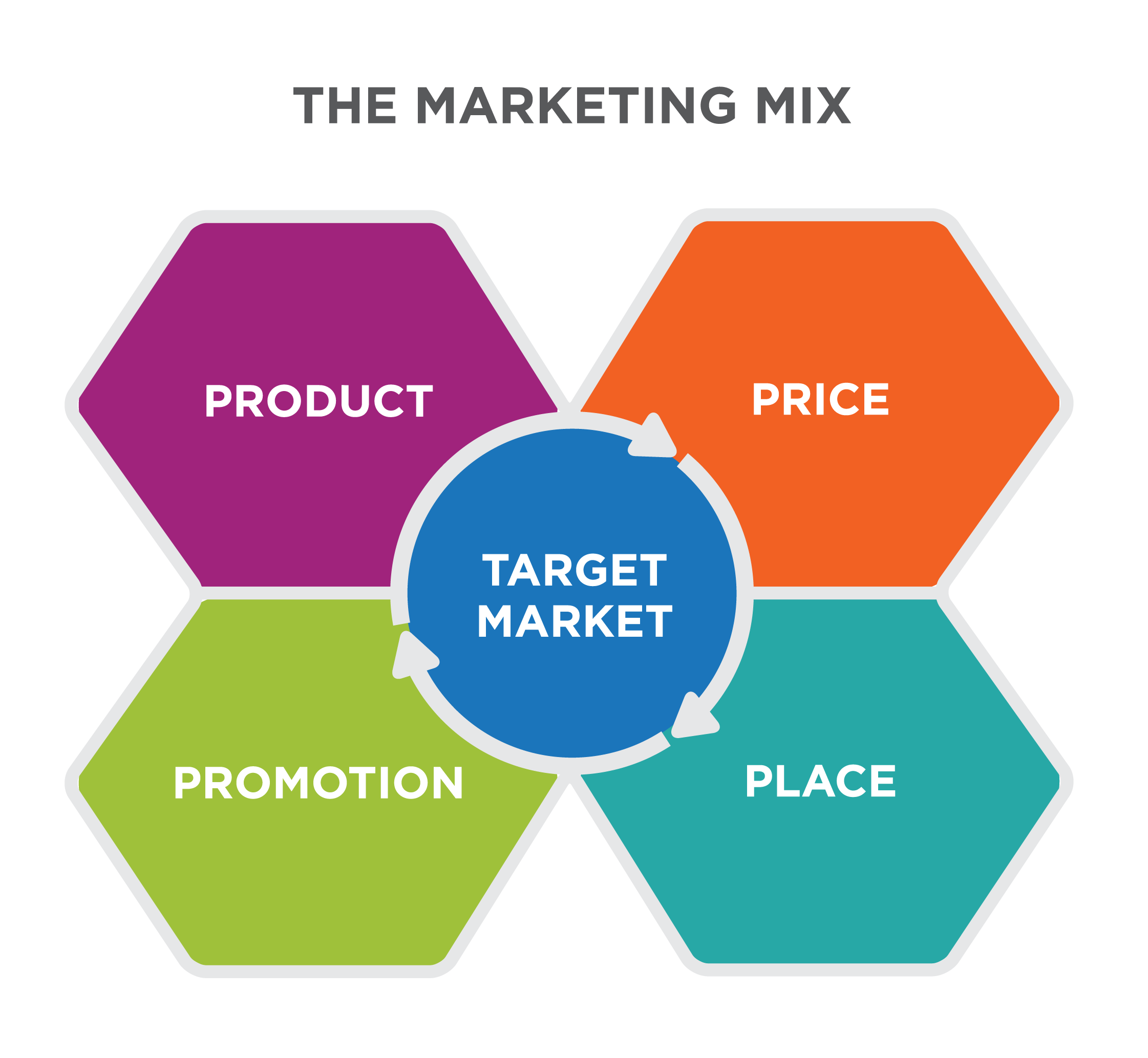
Marketing mix has four main parts: product, price, place and promotion. Each part is analysed on how it will achieve success and perform better than competitors. For example:
- Product quality and safety can be used as a benefit.
- Price includes decisions you would make to price a product competitively.
- Place includes the distribution decision e.g, how to reach customers in different locations.
- Promotion decisions are strategies that a company uses to gain more customers, such as discounts, loyalty schemes and sales
Promotional mix
The promotional mix’s goal is to inform, persuade and remind customer about a product or service through advertising. This includes sales promotions such as incentives to buy – offers/discounts and promotions.
Good reputation with customers is one of the main objectives in promotional mix in order to get customer loyalty and maintain and expand the customer base.
References
https://smallbusiness.chron.com/difference-between-marketing-mix-promotional-mix-24142.html
Effect
The effect the 4 elements therefore have on the promotional mix display the following factors:
- Price – The price of the product has one of the main effects on promotional mix – essentially customers are mostly driven by cost and especially with competition so high and readily available pricing needs to be enticing and affordable.
- Product – Due to goals in customer loyalty – the reputation of the product should be that of a high quality.
- Place – The effect of place on promotion comes in the form of successful advertising – For a promotion to be reachable by existing and new customers the placing and availability of shops and ads should be carefully analysed and considered to the target market.
- Promotional approaches apply mainly through advertising means and peer to peer sharing. Approaches include email marketing, social media posts / competitions (i.e. share for a chance to win) an example being a successful campaign by Dove to share and tag friends on inspiring stories to promote products
References
https://smallbusiness.chron.com/difference-between-marketing-mix-promotional-mix-24142.html
3.3 Evaluate the suitability of digital marketing techniques to meet marketing objectives.
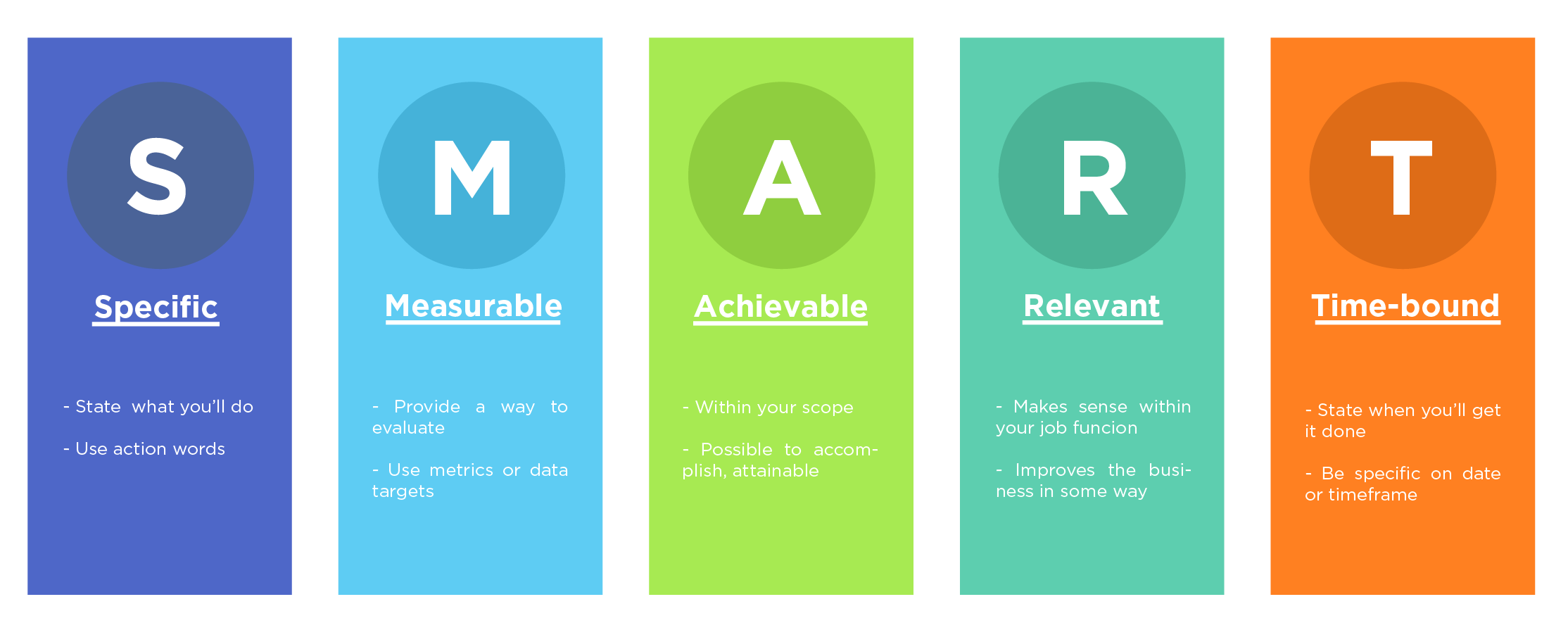
Marketing objectives are goals set by a business to promote products or services to potential consumers. These are often characterised using the acronym SMART which is used as a guild line to understand feasibility.
Marketing techniques include
- Keeping up with upcoming trends – ensuring relevance and a dominant profile
- Data and insights
- A mobile-optimised website (mobile first strategy)
- Social media marketing
- Conversion rate optimisation – persuading customers to perform a profitable action
- Search engine optimisation
- Paid marketing & campaigns – pay per click
- Influence marketing – PR involvement
Suitability
In the contemporary digital world these have proven effective techniques by powerful marketing companies, however the suitability should be analysed from business to business.
Factors which may cause risk to suitability include:
- Cost
- Technology available
- Skill set
- Relevance / appropriateness
References
https://www.linkedin.com/pulse/criteria-evaluate-digital-marketing-promotional-akingbemisilu
https://blog.getresponse.com/digital-marketing-techniques
3.4 Evaluate a multi channel approach to digital marketing
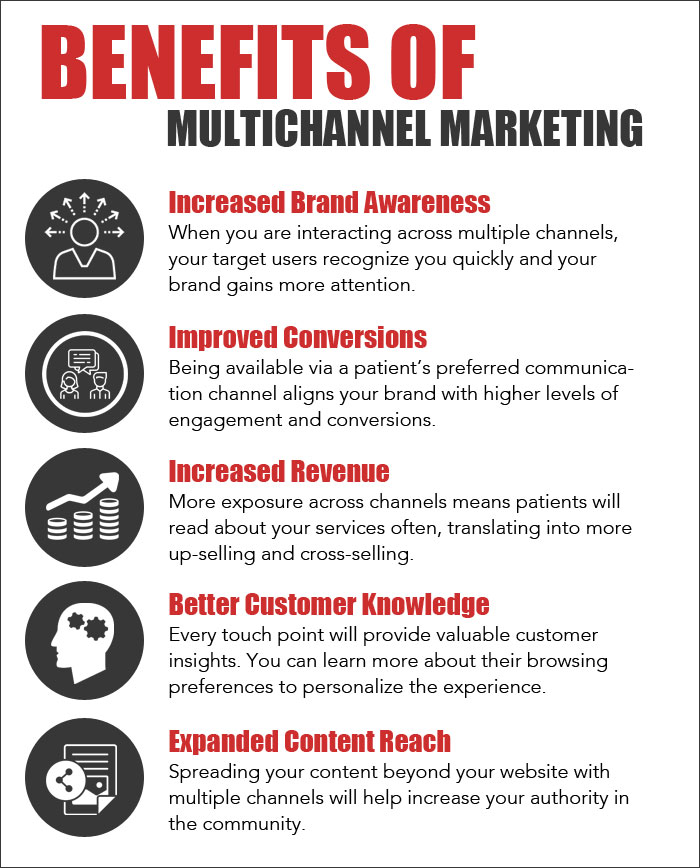
Multi channel approach to digital marketing is a form of communication using online and offline ways to advertise and sell to customers, through various methods. Multi channel approaches focus on contacting customers multiple times rather than focusing on a specific ad campaign in a specific location (such as a TV ad).
Examples of communications channels include:
- Websites / Social media
- Physical stores
- E-mail marketing
- TV
- Text messaging
- Blogging
- Direct mail
A multi channel approaches main goal is to connect multiple channels together into one connected communication strategy, the benefit being consistency and a ubiquitous advertising campaign to customers.
Developing multi-channel approaches
Brands are advised to develop a multi-channel strategy, as they can be at risk of attempting a do-it-all approach which can be ineffective. Multichannel approaches provides a good foundation and steps in which to cascade communications through. They can also be measured alongside current data and customer behaviour to understand if the approach is successful.
References
3.5 Explain how emerging approaches to digital marketing can contribute to a marketing mix
Marketing mix is the combination of the following four aspects:
- Price
- Product
- Place
- Promotion
The below graph gives examples of how emerging trends contribute and compliment the marketing mix

Price:
An example of emerging approaches in Digital Marketing was seen with the introduction and campaign launched by new food supermarkets Lidl and Aldi. Selling produce at a lower cost. This has a huge impact on larger food stores such as Tesco and Sainsbury’s – forcing them to review and amend their pricing system.
Place:
More digital marketing approaches to placement come through digital locations over physical ones. More stores are closing down and the focus is now on web sales, multi channel and peer to peer interest.
Product:
Emerging approaches include: brand packaging, i.e being recognisable, credible and unique/eye catching. Making something the consumer feels they need (a good example of this is Apple marketing with the new iPhone) also the up selling of related and surplus products i.e. Oral B selling additional whitening toothpaste which works alongside regular.
Promotion:
Promotional approaches apply mainly through advertising means and peer to peer sharing. Approaches include email marketing, social media posts / competitions (i.e. share for a chance to win) an example being a successful campaign by Dove to share and tag friends on inspiring stories to promote products.
References
3.6 Illustrate how different digital marketing techniques combine to make a marketing campaign
Below are examples of different marketing techniques used widely across companies
- SEO/SEM – Search engine optimisation/marketing
- Content Marketing
- Current and user optimised websites
- Email Marketing
- Social Media Marketing
/cdn.vox-cdn.com/uploads/chorus_image/image/58944505/amazon.0.jpg)
An example of a company who effectively uses these techniques is Amazon.
They have become dominant in the book selling market, this is due to a variety of conveniences held by the brand including cost, delivery and trust. However below demonstrates their successful SEO techniques in which book searches bring their website as the top result

They also allow users to share recent purchases via social media; this is a clever technique as not only does it empower the customer into boosting status it also advertises Amazon as the leading channel in which others can purchase the item.

Further to this, to illustrate how these can combine to make a marketing campaign – I will provide an example through the promotion of a new mobile phone release.
Firstly, a company will need to forecast the demand and search expectations of the customer to optimise SEO. This for example can be specific to features on the phone by individual companies i.e “Facetime”
Search results will then be combined with content marketing (reflected through the search results) this will then be connected to a website or social media post in which the consumer will access the campaign.
A company can also use a multi channel approach in combining targeted email and social media advertisements to direct customers to content or awareness of the product.
References
3.7 Analyse the implications of the overall purpose of marketing to the selection of marketing techniques and platforms
We can analyse the top marketing techniques to assess the implications of their overall purpose
- SEO/SEM – Search engine optimisation/marketing
- Content Marketing
- Social Media Marketing
Effective SEO is a priority if a company want to run a successful marketing campaign, The purpose of SEO in marketing is to ensure content is easily accessible to new and existing customers to allow custom. The implications that can occur is if a company has poor or non-existent SEO strategy it will have a direct effect a business as traffic and sales will be heavily impacted.
The purpose of content marketing and social media marketing is to focus on creating and sharing relevant, and consistent content to attract and keep a new and existing customer base, and essentially to bring profitable customer action.
Bad writing, research and context used in content and social media marketing can lead to unhappy customers and also lack of visibility to reach customers, campaigns can cause controversy if all aspects of customer base are not considered and this can lead to high levels of churn and bad publicity which will affect a business.
Example being
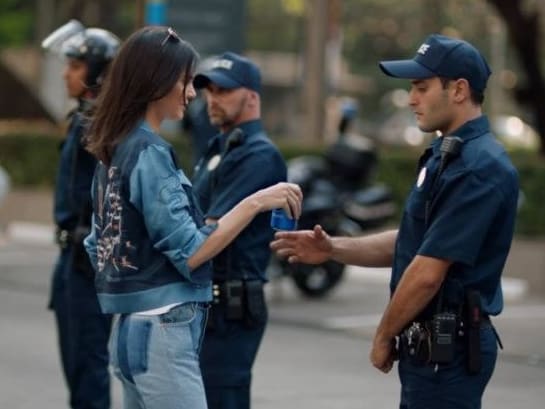
Pepsi pulled the advert, which saw the model join a protest and hand a police officer a can of Pepsi, after it was criticised for appearing to trivialise protests for social justice causes such as the Black Lives Matter movement.
References
https://news.sky.com/story/eight-controversial-ad-campaigns-that-got-the-world-talking-11490099
https://www.tutorialspoint.com/consumer_behavior/implications_of_marketing_models.htm
Unit 4: 4 Understand how branding is used across digital marketing channels
4.1 Explain the brand characteristics of an organisation
Brand Characteristics are essentially the values and objectives of a brand. They can be identified through the following methods and techniques used per company
- Loyalty
- Awareness – Awareness of of the market is
- Higher sales and profits
- Knowledge about the target market
- Uniqueness
- Passion
- Consistency
- Competitiveness
- Exposure
- Leadership
References
https://www.marketing91.com/what-are-brand-characteristics/
4.2 Explain the purpose of brand guidelines in digital marketing
Brand guidelines are used as a means to keep a brands ethos consistent, distinguish from competitors and create a powerful identity. All which aid customer loyalty and keep a brand focused on objectives within strategic marketing campaigns.
Brand guideline are usually made up of the following principles which together all work to a purpose :
- Consistency
- Setting Standards and Rules
- Being recognisable / current
- Setting values
Further to these they look at the visual elements of a brand and set guidelines for:
- Color Palette
- Typography
- Logo Design
Additional Elements that may also include:
- Imagery
- Brand Tone

Examples of brand guidelines set by Netflix
References
https://blog.bannersnack.com/brand-identity-in-marketing/
4.3 Explain how to incorporate brand identity into a digital marketing campaign
Assessing the main components which make brand identity each element can be incorporated into a campaign through the following ways
Consistency
Consistency should be the foundation of a brand, this establishes your product to the audience and allows a brand to build a trusting relationship, engagement and advocacy.
Examples of consistency into campaigns include:
- Logos and colours used
- Catchy slogans, such as McDonalds’ “I’m lovin’ it,” Nike’s “Just do it,” Kelloggs “They’re greeeeeat” which are typically used through campaigns via media ads and posters
- Offers and ranges – Brands use exclusive offers of wording to personalise these. Such as Sainsbury’s “taste the difference” Boot’s 3 for 2 Christmas present offers and Holland and Barrett’s penny sale.
Recognition
Recognition in branding is a a more sensory technique used by companies. A successful brand image makes it easier for customers to recognise a brand, it also sets it apart from the competition, proving a more “one-of-a-kind” expression.
Examples into campaigns include:
- Memorable spokespersons, such as the Monopoly Man, Michelin Man, Cadburys Bunny
- Again Catchy slogans, such as ” Kelloggs “They’re greeeeeat”
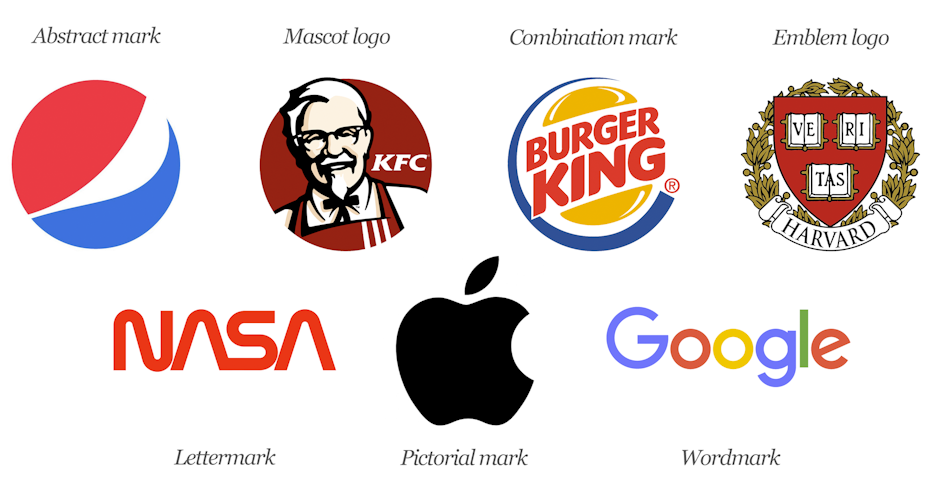
- Logo’s used
Setting values / Credibility
Customers are more likely to buy from brands they trust, and effective brand advertising inspires trust and builds credibility and value.
One way to do this is through marketing campaigns
For example:
- Launching branded campaigns in which industry/company experts offer their knowledge and advice – i.e. Apple genius bar, John Lewis sales team
- Paying to sponsor highly televised and popular music/creative events – such as EE at Glastonbury, Coca Cola at the world cup and Costa for book awards. This also allows a brand to reinforce their target audience.
- Supporting charitable and community based causes – Channel 4 is a leading example of a brand who supports and champions typically discriminated groups such as disabilities, asian women and the homeless.
All of these methods can help create positive news and recognition for your brand, which helps boost brand trust, value and credibility.
References
https://instapage.com/blog/brand-advertising-examples
Conclusion
Summarising Marketing planning, I noticed a connection and central focus on the demand and want to acquire newer tools, software and skill sets; by businesses in the current climate. The information compared a lot of older techniques previously used, these differed through being more print based methods, and how these are now essentially redundant to the fast growing pace, benefits and abilities that Digital provides, for example, automation, A.I. and data.
Newer methods also include a more interconnected approach to marketing, focusing on more branches of communication and consumerism, this is called multi channel and has evolved from the multiple ways in which we now shop, communicate and interact on a daily basis.
Unit 4 has demonstrated how these newer methods are now a prerequisite in areas of planning for execution. Furthermore they support marketing campaigns post launch to review and estimate success rate or need for further campaigns.
 Digital Marketing Level 4